Exploring Ownership in Burj Khalifa Apartments

Intro
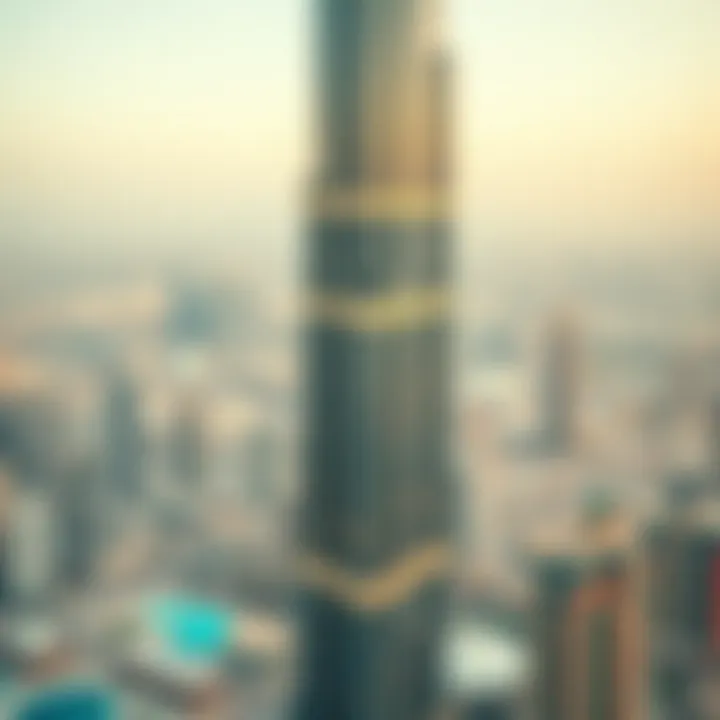
When it comes to the Burj Khalifa, the world's tallest building, it’s not just about the awe-inspiring architectural feat—it’s also about the eclectic blend of ownership that defines its residential slices. Spanning countless floors and offering breathtaking views of Dubai and beyond, the apartments in this iconic structure attract a variety of owners from distinct walks of life. By delving into the ownership patterns, investor motivations, and the broader implications for the Dubai property market, we uncover the deeper narratives of luxury and prestige that surround this renowned landmark.
In this article, we will highlight the current market trends, dissect assorted investment opportunities, and reflect on the ownership stories that echo the glamorous appeal of residing at such a prestigious address. With a comprehensive look at various demographics that own within this towering marvel, readers will gain insights not only into who holds real estate in Burj Khalifa but also the implications of these ownerships in the grand scheme of Dubai's luxury housing market.
Market Trends
Current Property Trends in Dubai
Dubai's real estate landscape is ever-evolving, and trends related to luxury living are particularly noteworthy. The demand for high-end properties in metropolitan areas continues to swell as affluent individuals search for prime investments and luxurious living conditions. The Burj Khalifa is no exception, where apartments have become a coveted asset for both local and international buyers.
Factors such as a growing expatriate population, favorable taxation policies, and ongoing infrastructure developments have fueled this high demand. Many who invest in these sky-high apartments see them not just as homes, but as status symbols and lucrative investments that attract higher rental yields compared to traditional properties.
Future Projections for Dubai Real Estate
Looking ahead, projections for the Dubai real estate market seem positive. Analysts are suggesting that the luxury segment, particularly in landmark properties like the Burj Khalifa, will maintain its allure due to several key factors:
- An influx of global talent and wealth in the region
- The hosting of international events, including the World Expo
- Continued investment in smart city initiatives and lifestyle enhancements
As Dubai positions itself on the world stage, the prospect of properties in the Burj Khalifa not only remains attractive but may also see a rise in value as the city advances.
"Investing in Burj Khalifa apartments is not simply a financial decision; it aligns with the desire for status and a cosmopolitan lifestyle that Dubai represents."
Investment Opportunities
Analyzing High-Growth Areas
Investors are increasingly drawn to high-growth areas within Dubai, and owning an apartment in Burj Khalifa certainly ranks highly on this list. The growth witnessed in sectors like hospitality, real estate, and tech makes this metropolis a focal point for those looking to tap into burgeoning markets. The location's accessibility and luxurious amenities amplify its investment appeal.
Understanding Rental Yields and ROI
Regarding returns, apartments in the Burj Khalifa boast some substantial rental yields in the luxury sector. Investors can anticipate returns not simply from property appreciation but from short-term rentals, particularly as tourists flock to the city. Analyzing rental trends shows that despite fluctuations in the market, rental demand for unique properties remains stable, making this iconic tower a prime option for investors looking for solid ROI.
In summary, the ownership landscape of the Burj Khalifa reflects a microcosm of the wider Dubai luxury real estate market—an intersection of diverse cultures, investor interests, and a continuously evolving economic climate. As we navigate through the personal stories of those who call this dazzling structure home, the tale of the Burj Khalifa speaks to ambitions, dreams, and the pursuit of unparalleled living environments.
Preface to Burj Khalifa Ownership
Significance of Burj Khalifa in Dubai's Real Estate
The Burj Khalifa is more than just a tall building; it has fundamentally reshaped the landscape of Dubai’s real estate market. As the centerpiece of the Downtown Dubai development, this architectural marvel boosts the local economy and attracts global interest. It symbolizes luxury and progress and has made real estate in Dubai a point of reference in discussions about high-value property investment.
The symbolic and economic significance of Burj Khalifa is reflected in:
- Global Appeal: The attraction towards owning a piece of this sky-high structure isn’t just due to its height; it's about prestige. The allure of Burj Khalifa has cats a wide net, enticing affluent individuals and companies from around the globe.
- Investment Hub: Real estate investments in revered locations typically showcase resilience even in times of economic fluctuation. Burj Khalifa serves as a beacon for investors looking for lucrative opportunities, often leading to higher returns.
- Urban Landmark: The building enhances the landscape of Dubai, pushing the boundaries of what architectural marvels can look like. It stands as a signal of the emirate's intent to foster innovation and luxury living.
In essence, the Burj Khalifa exemplifies the intersection of tourism, luxury living, and investment potential, solidifying its significance in Dubai's real estate narrative.
Profile of Burj Khalifa Residents
People who call the Burj Khalifa home span a diverse array of backgrounds—each resident encapsulates their unique slice of life. This blend of cultures and experiences adds richness to the atmosphere of the building, creating a microcosm of global society.
When dissecting the profile of these residents, several traits come to the forefront:
- Diverse Nationalities: Residents hail from a variety of countries, reflecting the global reach of the property. It's not uncommon to find a mix of Europeans, Asians, and Middle Easterners, all cohabiting within the same edifice.
- Affluence: Living in the Burj Khalifa is predominantly a status symbol. Many inhabitants fall within high-income brackets, often comprising business leaders, expatriates, and wealthy investors keen on Dubai's lifestyle.
- Varied Lifestyles: From corporate expatriates to retirees seeking luxury living, residents’ lifestyles vary drastically. Some enjoy the hustle and bustle of city life, while others appreciate the tranquility found at greater heights, with stunning views of the cityscape below.
The residents of Burj Khalifa showcase how real estate ownership transcends simple dwelling; it becomes part of the identity for those who choose to live there.
This exploration of ownership highlights not just the economic narratives but also the stories behind individual owners, crafting a broader understanding of who finds refuge and investment in one of the world's most iconic structures.
Demographics of Owners
Understanding the demographics of owners in Burj Khalifa offers valuable insights into who invests in this iconic structure. The residents are a mosaic of talent and ambition, reflecting the global appeal of Dubai's real estate. By analyzing the demographics, investors and analysts can better gauge market trends, buyer behavior, and the overall attractiveness of luxury properties in Dubai. With such a prominent landmark, the ownership landscape is not just about numbers; it's about the stories behind each owner, their motivations, and how they shape the community within the tower.
Nationality and Diversity


The nationality of Burj Khalifa's owners is as varied as the vibrant skyline of Dubai itself. Investors hail from different corners of the earth, bringing a mix of cultures and backgrounds to the city. This diversity is one of the pillars that supports the uniqueness of the Burj Khalifa experience.
- Middle Eastern Investors: A significant portion of the owners are from the Gulf Cooperation Council countries, particularly Saudi Arabia, Qatar, and the UAE itself. Their investment often stems from a desire to secure a luxurious lifestyle and capitalize on the growing prestige of owning an apartment in the tallest building in the world.
- Western Buyers: Americans and Europeans are also keen participants in Burj Khalifa's ownership landscape. Many view these properties as prime investments, often seeking a second home in a city that boasts a burgeoning economy and a favorable taxation framework.
- Asian Investors: Countries like India, China, and Singapore show growing representation among the owners. The appeal lies in the potential for high returns on investment, along with the allure of a global city known for its modernity and luxury.
The cultural fusion in Burj Khalifa is tangible. Residents partake in a communal lifestyle, often gathered at the building's common areas, where conversations about business ventures and cultural exchanges flourish. This melting pot is more than just demographic data; it shapes the ethos of what it means to live in Burj Khalifa.
Age and Socioeconomic Status
When it comes to age, Burj Khalifa attracts a range of owners, from young professionals to affluent retirees.
- Young Professionals: Many owners are in their 30s and 40s. This group often includes successful entrepreneurs or tech-savvy investors. They lean toward Burj Khalifa for its modern amenities and the social prestige associated with living in such a landmark.
- Established Investors: The older demographic, often in their 50s or 60s, tends to view the property as a long-term investment. They appreciate the stability and recognition associated with owning a unit in Burj Khalifa, considering it not just a residence but also a legacy.
The socioeconomic spectrum ranges from potential buyers in the upper-middle-class category to ultra-high-net-worth individuals. Owning an apartment here is a statement of wealth and success, often driven by the desire to reside in an emblem of architectural brilliance.
"Living in Burj Khalifa isn’t just about the view; it’s about being part of something bigger—a lifestyle that many aspire to but few achieve."
Thus, examining age and economic status reveals more than individual profiles; it illustrates the larger narrative of investment and aspiration tied to this iconic landmark. As urban landscapes evolve, Burj Khalifa remains a prime example of how diverse ownership can influence the character and vibrancy of a community.
Motivations Behind Ownership
Understanding what drives individuals to purchase apartments in a structure like Burj Khalifa goes beyond mere numbers. It taps into human desires, aspirations, and values, making it a key point of investigation in this article. Many seek a slice of the extraordinary, while others are motivated by the promise of a sound investment. Grasping these motivations is vital for stakeholders in real estate—whether investors, homebuyers, or analysts—who aim to comprehend the nuances of this unique market.
Investment Potential
Buying an apartment in Burj Khalifa isn’t just about luxury living; it's also considered a prime investment opportunity. The sheer stature of the building adds tremendous allure, making it a sought-after address not just in Dubai, but globally. Prospective owners often view their purchase as a pathway to capital appreciation. Here are some factors that add to its investment allure:
- High Demand: With its iconic status, demand for rentals and sales in Burj Khalifa often outstrips supply.
- Rental Yields: The rental market for premium properties can offer impressive returns, making it a lucrative option for investors.
- Economic Stability: Dubai's robust economy and consistent tourist influx provide a solid foundation for retaining property values.
Furthermore, the apartments come with high-end amenities and unparalleled views, which boost their attractiveness. Investors frequently find that properties in Burj Khalifa maintain their value better than other luxury developments in the area, making them a relatively safe bet in an unpredictable market. Economic trends show that properties in standout locations—like this one—tend to weather downturns more effectively than others.
Lifestyle Choices
On the flip side, lifestyle choices play a significant role in attracting buyers. Living in the Burj Khalifa is about more than just the apartment itself; it's about embodying a certain lifestyle. The experience of residing in one of the world’s tallest buildings is unparalleled. Consider the following key aspects:
- Prestige: Owning an apartment here is a marker of status, often showcasing a successful career or affluent living.
- Community: Residents become part of an elite community with access to exclusive events and facilities.
- Amenities: The building offers a wealth of luxury amenities—pools, gyms, and dining options—that cater to a high-end lifestyle.
In essence, for many, it’s not merely about owning real estate but living a dream recognized worldwide. The choice to invest in Burj Khalifa is often intertwined with exhilaration; it excites the imagination and elevates the everyday experience to something truly special.
"For many owners, Burj Khalifa isn’t just a residence; it resonates with their aspirations and lifestyle choices, drawing them to this unique opportunity."
High-Profile Owners and Their Stories
The tale of Burj Khalifa isn’t merely one of architectural marvel; it also paints a picture of the individuals who call this skyscraper home. The ownership landscape includes a fascinating array of high-profile residents from various walks of life, including celebrities, influencers, and business moguls. Their stories not only make for captivating reading but also underline the property's investment potential and the unique lifestyle it offers. When we explore the high-profile owners in Burj Khalifa, we tap into the glitzy aspect of real estate that many aspire to but few achieve.
Celebrities and Influencers
In the realm of luxury real estate, celebrities hold an enviable position. Within the stunning confines of Burj Khalifa, we find that these personalities don’t just invest in property; they invest in a lifestyle. Having a home in the tallest building in the world sends a strong message. Some notable celebrities who reside here have not publicly disclosed their experiences, maintaining an air of mystery, but that just adds to the allure.
For example, renowned figures from the entertainment world, like actors and musicians, often seek out unique features that come with their apartments—latest tech, breathtaking views, and, let’s be honest, a sprinkle of status. They are likely attracted by not just the splendor of the apartments but also the exclusivity that comes with living in such an iconic landmark. With social media swirling around, influencers post their luxurious lifestyles, further amplifying the charm of Burj Khalifa. These platforms serve as a unique conduit, allowing them to share their experiences living in one of the most sought-after addresses globally.
A recent survey indicates that influencers residing in Burj Khalifa utilize their proximity to various luxurious amenities as part of their branding strategy. Between glimpses of their high-end experiences—pools, gyms, and lounges—each post offers a slice of the affluent life while also hinting at an investment in their mental well-being.
Business Tycoons and Investors
While celebrities certainly add glamour to the ownership demographic, business tycoons underscore the serious investment potential embedded in Burj Khalifa’s architecture. These high-net-worth individuals often view ownership as part of a strategic investment portfolio. It's like a chess game for them – every property is a calculated move.
Take, for instance, the tech giants and financial moguls who have bought apartments here. By investing in Burj Khalifa, they don’t just acquire a piece of real estate. They secure a foothold in Dubai—a city known for innovation and growth. Economic experts often point out that this interest is indicative of broader market trends where luxury real estate is intertwined with global economic shifts.
These owners often share stories about how they leverage their properties for business gatherings or investment purposes. Hosting a high-stakes meeting against the backdrop of the Dubai skyline? Now that's what we call making a statement! Moreover, these tycoons actively engage with the evolving property market, sometimes even financially backing developments that complement Burj Khalifa’s stature.
As a byproduct, the more these high-profile owners immerse themselves in the Burj Khalifa community, the more they contribute to an ecosystem of networking and opportunities—signalling to potential investors that the area is not just about addressing high real estate value but acquiring social capital.
In sum, the high-profile owners of Burj Khalifa illustrate the intersection where luxury meets investment, creating a unique narrative and inspiring other prospective buyers to consider the profound implications of ownership in such an iconic space.
Property Management and Ownership Structure
The intricate dynamics of property management and ownership structure in Burj Khalifa is a topic that blends real estate savvy with the unique flair of luxury living. Owning an apartment in the world's tallest building is more than just a privilege; it involves navigating a landscape that is as multifaceted as the tower itself. The significance of understanding how these elements function cannot be overstated, as they play a crucial role in determining both the value and the overall experience of living in Burj Khalifa.
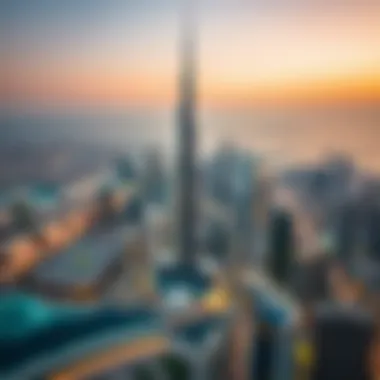
One of the first things to appreciate is how property management rolls out the red carpet for residents. Emaar Properties, the developer behind this architectural marvel, doesn't just manage the building; they maintain an elite level of service expected from such a prestigious address. This management includes everything from regular maintenance and housekeeping to security, concierge services, and even managing shared amenities like swimming pools or fitness centers. Essentially, living in Burj Khalifa feels more like residing in a five-star hotel than a simple apartment building.
The Role of Emaar Properties
Emaar Properties is at the heart of Burj Khalifa's ownership and management structure. Established in 1997, it has carved out a reputation not only in Dubai but across the globe as a premier property developer. Emaar's stewardship means homeowners benefit from an impeccable level of service and expertise.
For instance, they run an organized management system that ensures everything from maintenance requests to community events are handled smoothly. If a resident encounters an issue, such as a leaky faucet or the need for a laundry service, Emaar’s dedicated team is just a call away, ready to address concerns promptly. Through annual meetings and updates, Emaar also keeps property owners informed about changes or improvements planned for the building.
Another key aspect is their transparency around ownership rights, fees, and the overall investment potential. Coupled with a robust legal framework, it adds an extra layer of security and reliability for investors. Homeowners in Burj Khalifa aren't just toting a prestigious address; they are part of a community backed by one of the most reputable names in the business.
Legal Framework Governing Ownership
The legal landscape surrounding ownership in Burj Khalifa is critical to ensuring that everything runs like a well-oiled machine. Knowing the rules and regulations that govern ownership can save potential investors a heap of headaches down the line.
In Dubai, property ownership for expatriates has become increasingly straightforward. The emirate's laws allow foreign ownership in designated areas, and Burj Khalifa is one of them. This legal framework provides not just rights but also obligations. Owners take on responsibilities, such as adhering to the community rules set forth by Emaar, participating in meetings, and maintaining their properties to a certain standard.
Being well-versed in these regulations means that owners can navigate any potential legal hiccups more effortlessly. For example, issues like lease agreements and rights related to rental income are governed by Dubai Land Department regulations, and understanding these can be crucial. Additionally, the potential for reselling the property can also hinge on being compliant with existing laws, thus affecting the investment's value.
"Navigating the legal maze surrounding property ownership can often feel daunting, but in Burj Khalifa, having Emaar as a guide simplifies the journey."
In summary, the intersection of property management and ownership structure in Burj Khalifa serves not just as an administrative framework but lays the groundwork for an exclusive lifestyle. With the backing of Emaar Properties and a robust legal framework, owners can relish the benefits that come with owning a piece of skyline in such a landmark.
Understanding these details not only enhances the living experience but also solidifies Burj Khalifa's stature as a worthwhile investment in Dubai's real estate circus.
Market Trends Surrounding Burj Khalifa Apartments
The Burj Khalifa stands not only as a symbol of architectural marvel but also as a pivotal player in Dubai's luxury real estate market. Understanding the market trends surrounding apartments in this iconic structure is crucial for potential investors, homebuyers, agents, and analysts alike. Analyzing sales trends, pricing dynamics, and the rental market can provide valuable insights that shape informed decisions.
Sales Trends and Pricing
The sales trends of Burj Khalifa apartments are indicative of broader market movements within Dubai. On one hand, the allure of living in the world’s tallest building draws affluent buyers from around the globe, keen on capitalizing on the prestige associated with such an address. On the other hand, the market is subject to fluctuations based on economic conditions, global events, and local developments.
- Current Pricing Landscape: Recent data shows that while the initial price per square foot remains high due to demand, there have been instances of price corrections during economic downturns. For instance, a three-bedroom apartment that was once priced at AED 10 million might see a dip to AED 8.5 million during a market slump.
- Comparative Analysis: Compared to other luxury developments in Dubai, Burj Khalifa's pricing tends to hold steadier. For instance, the elite apartments at the Palm Jumeirah experience sharper fluctuations, showing a tighter correlation with tourism trends, while Burj Khalifa maintains its prestige and stability over time.
Despite the allure, buyers need to conduct thorough market research to gauge when to make a decision. The benefits of investing in Burj Khalifa apartments include:
- High Resale Value: The international reputation helps maintain higher resale prices as demand usually rebounds post-recession.
- Prestige Factor: Ownership here signifies status, which can be advantageous for personal brands or business dealings.
Rental Market Analysis
The rental market for Burj Khalifa apartments is as dynamic as the city itself. With its unique offerings, the building attracts mostly short-term tenants including expatriates, high-profile individuals, and tourists searching for temporary luxury accommodations.
- Rental Rates: Properties within Burj Khalifa command premium rental rates, often fetching upwards of AED 500,000 per year for penthouses and luxurious three-bedroom units. This rental income allure is particularly enticing for investors seeking luxury returns.
- Tenant Demographics: The typical tenant profile often includes wealthy expatriates and travelers who desire more than a standard hotel experience, thus leading to a steady demand for high-end rentals.
- Market Fluctuations & Seasonality: Rental prices can see seasonal variations, peaking during major events like the Dubai Shopping Festival or Expo Dubai. During these times, landlords might raise rental prices significantly,
As a potential investor or homebuyer, staying attuned to rental demands and seasonal trends could offer lucrative opportunities. It is imperative to keep abreast of general global economic factors that influence the real estate market, as they can directly impact rental rates and tenant stability.
"The Burj Khalifa isn't just a building; it's essentially a living organism, reflecting the viscissitudes of global economic trends."
To enhance one's understanding, resources including Dubai Land Department, Real Estate Regulatory Agency, and Property Finder serve as valuable tools for current market insights and rental trends. Understanding these facets can empower stakeholders to make more informed decisions regarding their investments in this landmark property.
Comparative Analysis with Other Luxury Developments
When examining the landscape of luxury real estate in Dubai, a comparative analysis becomes essential. Understanding how Burj Khalifa apartments stack up against other opulent properties not only sheds light on market dynamics but also helps prospective buyers and investors gauge the overall value and prestige associated with owning a unit in this iconic structure.
A key benefit of such analysis is the ability to identify trends and characteristics unique to high-end residential offerings. Buyers are often curious about what makes the Burj Khalifa distinct or how it compares in terms of pricing, amenities, and potential for appreciation. This leads to informed decisions, whether someone is looking for a sound investment or the ultimate living experience.
Furthermore, highlighting differences allows investors to weigh the pros and cons of various developments. For instance, properties in the Dubai Marina offer different features and pricing strategies compared to the Burj Khalifa, thus providing a broader perspective on what luxury truly means in this vibrant city.
Other Landmark Properties in Dubai
Dubai is home to a plethora of stunning high-rise buildings that offer luxury living. It’s not just the Burj Khalifa that draws attention. The following properties are worth noting:
- Burj Al Arab: Known as one of the most luxurious hotels globally, its residential offerings reflect unmatched extravagance, with attention to detail that remains unparalleled.
- Dubai Marina: This area includes multiple high-end developments featuring waterfront views that cater to a lifestyle of leisure and extravagance.
- The Address Downtown: Directly adjacent to the Burj Khalifa, this complex boasts various residences that entice buyers seeking both luxury and convenience.
Each of these developments has unique selling points, such as location, design, and associated amenities. For instance, while the Dubai Marina is renowned for its views and relaxation, the Burj Khalifa stands as a beacon of ambition and architectural prowess, potentially fetching a premium due to the overall esteem associated with its iconic status.
International Comparisons


Taking a glance beyond Dubai's borders can provide valuable insights into how Burj Khalifa apartments measure up on a global scale. Cities like New York, London, and Hong Kong house some of the world's most recognized luxury residences, and they are often used as benchmarks.
For example, the One World Trade Center in New York offers luxury living with a steep price tag, comparable in style to Burj Khalifa but differing significantly in market demand and investment return. Meanwhile, London’s The Shard presents a similar high-rise lifestyle, albeit set against the backdrop of a different cultural landscape, appealing more to those who might prioritize historical significance.
In assessing these international examples, investors can glean vital information about fluctuating currency rates, regional real estate demands, and unique local buyers' interests, all of which play a significant role when considering investment in the Burj Khalifa. Each high-end property boasts its appeal, making the historical context and regional variables critical when making a choice.
"By understanding how luxury developments interact on an international stage, investors can better position themselves to capitalize on the unique advantages of each market."
Impact of Global Economic Factors
The ownership landscape of apartments in the Burj Khalifa, though often depicted as a fortress of luxury, is heavily influenced by global economic factors. These parameters do not just dictate prices but shape the very demographics of owners. The financial currents that ripple across international borders affect whether a person from New York or a business magnate from Shanghai decides to invest in one of the tallest buildings on the planet. Understanding these dynamics is crucial for anyone interested in the real estate market.
Currency Fluctuations and Investment
In the realm of real estate, currency values hold sway over investment decisions like a puppet master. When the UAE dirham fluctuates against other currencies, the buying power of potential investors changes. For instance, a stronger dollar might make Burj Khalifa apartments less appealing to American buyers, while a weaker dirham can present a golden opportunity for those with foreign currencies.
- Impact on Pricing: If the American dollar is particularly strong compared to the dirham, the premium for properties in Burj Khalifa may seem prohibitive to U.S. investors. Conversely, a dip in the dirham can attract a wave of new buyers from the United States eager for a stake in Dubai's skyline.
- Investor Sentiment: When currency values swing widely, investor sentiment can also be affected. A rise in global uncertainty leads some to retreat from real estate investments, fearing unstable returns. On the flip side, potential buyers might see a lower entry price as a trigger to invest as they rush to secure a piece of what they perceive as a lucrative asset.
"Economic landscapes can shift like sand dunes, altering the pathways of real estate investments dramatically."
The subtleties of currency fluctuation extend well beyond just mere numbers. They intertwine with political climates, economic development, and local market trends, painting a complex picture for future owners.
International Investment Trends
International dynamics play a pivotal role in shaping the Burj Khalifa’s ownership profile. As economies across the world transition, shift, and sometimes stumble, these fluctuations affect where the capital flows. Potential investors monitor these shifts closely, much like hawks watching their prey.
- Emerging Markets: Countries like India and China are witnessing an upsurge in the number of high-net-worth individuals. These potential investors are often looking for stable and luxurious investments, positioning Dubai as an attractive option.
- Political Stability: Investors favor regions that demonstrate political stability. The UAE has carved a niche for itself as a safe haven in the Middle East, compelling investors to flock towards it. The property laws in Dubai, favoring foreign ownership, have also bolstered confidence among international buyers.
- Global Events: Events such as the COVID-19 pandemic have historically shifted the way investors view certain areas. The Burj Khalifa, with its high-security measures and luxury lifestyle, found itself on the radar as many sought refuge in the investment realms that exhibited resilience during downturns.
In summary, global economic factors create a framework that outlines the motives and opportunities behind owning a piece of the Burj Khalifa. Keeping a close eye on currency shifts and international investment patterns is not just advisable; it's necessary for anyone looking to navigate the complexities of luxury real estate in Dubai.
Future Outlook for Burj Khalifa Ownership
As the skyline of Dubai continues to evolve, the future of ownership within Burj Khalifa stands at a vital crossroads, marked by potential shifts in real estate dynamics. The high interest from investors and the shifting preferences of residents are key aspects that can drive the growth and value of apartments in this iconic structure. Understanding these trends can help potential buyers and current owners alike navigate the complexities of this dynamic market.
Anticipated Market Changes
With the passage of time, several factors are poised to influence ownership trends in Burj Khalifa. The first looming change will stem from the global economy, particularly as regional markets undergo recovery and growth. Increased tourism and business opportunities in Dubai will likely result in heightened demand for luxury accommodations, particularly in areas like Burj Khalifa.
Additionally, evolving technology is set to revolutionize the way real estate transactions occur. Innovations like virtual reality tours and blockchain-secured property transactions could make buying apartments more streamlined and transparent. This advancement could attract a younger demographic who values efficiency and security in their investments.
Other changes might include shifts in buyer demographics. With millennials and Gen Z becoming more financially active, their preferences for living spaces may require adaptations in the existing market offerings. Factors such as eco-friendliness and community engagement often resonate with younger buyers.
- Key Anticipated Changes:
- Global economic recovery boosting luxury investments
- Technological innovations serving as game changers
- Evolving demographics leading to shifts in preferences
Long-Term Investment Potential
When considering the long-term investment potential of Burj Khalifa apartments, various aspects come into play. First and foremost, the historical performance of property values in Dubai reveals a consistent upward trajectory. Even amid economic fluctuations, properties in prime locations have exhibited remarkable resilience. Owning an apartment in the world's tallest building provides not just a living space, but a symbol of status and prestige.
Furthermore, engagements with foreign buyers continue to flourish, enhancing the desirability of ownership in Burj Khalifa. The appeal of Dubai as a cosmopolitan hub attracts a global clientele seeking both personal and investment opportunities.
Investing in Burj Khalifa does come with its considerations. For one, investors must remain mindful of ongoing property maintenance costs and the regulatory landscape that could change as the market evolves. However, those who are strategic, leveraging the unique aspects that Burj Khalifa offers, will likely find securing an apartment here as a sound investment choice for years to come.
- Long-Term Investment Considerations:
- Consistent property value appreciation
- Continued interest from foreign investors
- Necessary awareness of maintenance and regulations
"The future of real estate in Burj Khalifa seems promising, driven by economic recovery and evolving market preferences."
The conversation surrounding Burj Khalifa ownership is one of anticipation, potential, and informed decision-making. Those wishing to stake a claim in this real estate jewel must stay abreast of the trends, lest they miss a golden opportunity.
Culmination
When we look back at the intricate tapestry of ownership within the Burj Khalifa, it becomes abundantly clear that this architectural marvel is more than just stone and glass. It signifies aspirations, wealth, and a unique lifestyle that attracts an eclectic mix of investors and residents. This article has explored the multifaceted aspects of who owns apartments in this towering giant, shedding light on demographics, investment motivations, and the overall dynamic of luxury real estate in Dubai.
Recap of Key Insights
- Diversity of Owners: The apartments in Burj Khalifa are owned by individuals from various nationalities, indicating a global interest in Dubai's luxury market. This diversity reflects a melting pot of cultures, which is now a hallmark of the UAE's property landscape.
- Investment Motivation: Many owners view their apartments as investments—especially as Burj Khalifa stands as a symbol of value and prestige. Factors like location, potential for appreciation, and brand value play a significant role in ownership decisions.
- Market Trends: The demand for luxury properties isn’t just a fleeting trend; it’s backed by robust market performance. Sales trends and rental analyses suggest sustained interest from both local and international investors.
- High-Profile Presence: The involvement of celebrities and business tycoons not only adds a layer of prestige but also creates a buzz that continually captivates potential investors.
Final Thoughts on Burj Khalifa Ownership
In a nutshell, the ownership landscape within the Burj Khalifa will only continue to evolve, with societal changes, economic shifts, and global influences at play. Keeping a finger on the pulse of this market will yield insights valuable not just for investors, but also for anyone intrigued by the intersection of architecture, investment, and lifestyle.