Exploring Dubai's Urban Beaches and Their Impact
Intro
Dubai's city beaches hold a mirror to its remarkable journey as an urban marvel. These stretches of sand do more than just adorn the coastline; they are the heartbeats of a thriving metropolis, laced with histories, cultures, and economic narratives. As urban spaces evolve and adapt to the ever-changing dynamics of city life, beaches manifest as essential gatherings spaces for residents and tourists alike. The contrast between the sparkling waters of the Arabian Gulf and the towering skyscrapers finds a unique balance, underscoring the rich tapestry that is Dubai.
Exploring these urban shorelines is not merely an excursion into recreational areas—it is an investigation of community interactions, tourism impacts, and the inherent relationship between nature and urban development. This article will delve into key themes that reveal how city beaches shape the identity of Dubai, influencing lifestyle and local economies. From analyzing historical frameworks to understanding infrastructural developments, each aspect serves as a crucial piece of the larger picture.
As Dubai continues to grow, the future of its beaches is also on the horizon, demanding consideration not just from urban planners but from investors seeking solid returns and homebuyers eager to grasp the vibrant lifestyle that accompanies coastal living.
Key points of discussion in the following sections will include:
- Historical context of city beaches in Dubai
- Their economic contributions to the local market
- Cultural significance within social realms
- Environmental considerations in urban planning
- Future trends and investment opportunities surrounding these beachfronts
The coastal edges of Dubai tell stories—of innovation, community building, and resilience. Now, let’s explore the Market Trends impacting this multifaceted landscape.
Foreword to Dubai’s City Beaches
Dubai's beaches are more than just stretches of sand; they are the heartbeat of a bustling metropolis that thrives on a unique blend of tradition and modernity. As urban beaches, they play a critical role in the cultural and social milieu of the city. Beaches in Dubai offer a retreat from the urban bustle, serving as gathering spots for locals and tourists alike. This examination seeks to peel back the layers of urban beach life, dissecting their significance in shaping community interactions, boosting the economy, and reflecting the city’s architectural ingenuity.
Understanding urban beaches in this context is paramount. They are not mere recreational areas, but pivotal components of urban landscapes that influence lifestyle, environment, and even real estate trends. The juxtaposition of serene shorelines against towering skyscrapers creates an inviting charm that draws attention from around the world. This interplay between nature and urbanization is key to appreciating how Dubai’s beaches contribute to the overall ecosystem of the city.
Additionally, urban beaches provide numerous benefits that extend beyond leisure. They function as platforms for community events, cultural festivals, and family gatherings, promoting social cohesion. Furthermore, they serve as economic engines. The influx of tourists to these picturesque locales brings significant revenue that feeds into local businesses, from beachside cafés to luxury hotels.
In light of these elements, the exploration of Dubai's city beaches takes on a multifaceted nature. We delve into not just their physical attributes, but also their evolving history and role as urban spaces that encapsulate the spirit of Dubai.
Defining Urban Beaches in Global Context
Urban beaches can be regarded as a microcosm of urban life—accessible, multifunctional spaces that foster interaction among diverse groups. Globally, cities with coastlines often see beach areas utilized for leisure, sports, and community engagement. In places like Rio de Janeiro, for example, urban beaches are emblematic of cultural identity, where sunbathing and beach volleyball intermingle with local music and street food.
In contrast, Dubai's commercial identity shapes its beaches differently. The beaches here are often adorned with luxurious amenities, showcasing a lifestyle that’s tailored to a more affluent crowd. Tall resorts, chic beach clubs, and curated events transform these shores into exclusive spaces rather than communal hubs. This distinction raises questions about social inclusivity and accessibility, especially when juxtaposed with beach cultures in other parts of the world.
The essence of urban beaches lies in their ability to adapt to the ever-changing dynamics of the surrounding environment. They serve as a stage where the city can showcase its cultural pursuits while remaining steadfast to its economic ambitions. Factors such as local governance, infrastructural development, and environmental considerations continue to influence how these spaces evolve.
The Evolution of Dubai's Beaches
Historically, the narrative of Dubai's beaches is a story of transformation. Once simple fishing villages by the shore, they have been reshaped by the waves of urban expansion. The early beachgoers of Dubai enjoyed unspoiled coastlines, where lifestyle revolved around the traditional ways of fishing and trading. However, the rapid urbanization that began in the late 20th century saw these areas give way to high-end developments and tourism-driven initiatives.
In the late 1990s and early 2000s, iconic projects like Jumeirah Beach, and the Palm Jumeirah began to emerge, marking a shift in how these coastal areas were perceived and utilized. What was once a land of simplicity transitioned into an expanse of luxury and leisure, making waves in the global tourism circle.
The increasing competition among cities aiming for international tourism attention encouraged Dubai to innovate further. Initiatives to sustainably develop these areas while catering to both local and international audiences have taken center stage. As a response, developments like Kite Beach have emphasized a more laid-back community vibe, offering spaces not only for relaxing sunbathers but also for sports enthusiasts.
Moving forward, it’s crucial to consider how future beach developments will navigate the delicate balance between preserving natural beauty and accommodating the burgeoning expectations of a growing population and tourism sector. The evolution of Dubai's beaches is an ongoing process, constantly influenced by cultural, economic, and environmental considerations.
Cultural Significance of City Beaches
City beaches in Dubai are not merely stretches of sand by the sea; they play a crucial role in the urban fabric of the city. They are vibrant spaces that foster community and cultural engagement. These beaches serve as gathering points for individuals from diverse backgrounds, creating an environment where social interactions can flourish. The significance of these coastal areas extends beyond leisure; they are fundamentally tied to the identity of the city's inhabitants and its visitors alike.
Social Spaces and Community Interaction
At the heart of Dubai's urban beaches lies a tapestry of social interactions. People of all ages frequent these spaces, whether it be locals taking their evening strolls or tourists soaking up the sun. Beaches like Kite Beach and Jumeirah Beach become melting pots of cultural exchange, where Emiratis mingle with expatriates and tourists who come from every corner of the globe.
The informal nature of beach environments promotes open conversations and connections between strangers. Families often set up picnics, engaging in communal activities that encourage bonding over shared experiences. The simple act of building sandcastles or playing beach volleyball might seem trivial, but these moments knit together community ties and foster a sense of belonging.
Additionally, local vendors selling traditional snacks and refreshments contribute to the community vibe. The presence of food trucks or small kiosks offers a taste of local flavors, allowing visitors to indulge in cultural culinary experiences right by the beat of waves.
Festivals and Events at the Beach
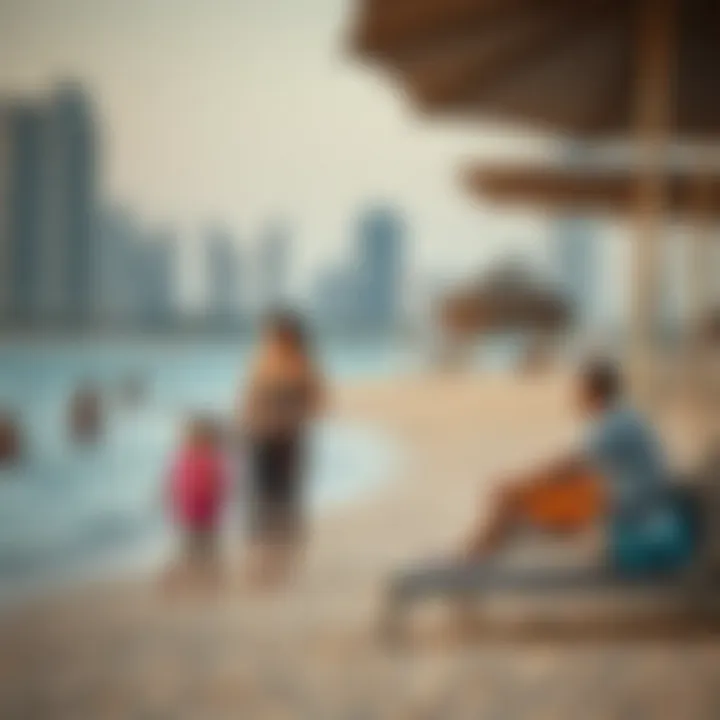
Dubai's city beaches also serve as prime venues for various festivals and events that enrich the cultural landscape. Imagine the vibrant atmosphere during the annual Dubai Water Sports Festival, where both locals and tourists gather to witness thrilling water sports competitions. This annual event not only showcases talent but also encapsulates the city's commitment to promoting an active lifestyle.
Moreover, during Ramadan, beaches oftentimes become sites for cultural showcases that feature traditional music, dance, and food. Such events underline the cultural significance, as families come together to celebrate while maintaining the spirit of the holy month.
Interestingly, the growing trend of outdoor film screenings and yoga classes at the beach signifies a shift in social activities. These events cater to wellness and relaxation, allowing people to connect not just socially but also through shared interests in health and fitness.
Economic Impact of Dubai's City Beaches
The economic footprint of city beaches in Dubai is profound, intertwining with multiple sectors to forge a lively urban experience. These sandy stretches are not merely recreational spots; they are dynamic hubs that drive revenue and growth. By attracting both tourists and residents alike, Dubai’s beaches fuel a myriad of economic activities, contributing to the city’s vibrant economy. The significance of this section lies in unraveling the threads that connect leisure to commerce, highlighting how beach areas spur economic benefits and opportunities for investment.
Tourism Revenue Generation
Dubai is known globally as a tourist magnet, and the city beaches play a pivotal role in this allure. The stunning coastline draws millions of visitors year-round, all searching for sun, sand, and sea. In fact, it contributes significantly to tourism revenue, an essential lifeblood for local businesses. Here’s a closer look at how city beaches serve as a revenue-generating machine:
- Visitor Spending: Tourists frequenting the beaches tend to indulge in a variety of activities, from dining at seaside restaurants to renting water sports equipment. This spending directly benefits local businesses, enhancing their profitability. Hence, a day at the beach translates into cash flow for cafes, water sports rental companies, and beachside stores.
- Luxury Hospitality: Many hotels and resorts capitalize on their beachfront locations, often charging a premium for ocean views and access. Notable establishments such as the Jumeirah Beach Hotel or Atlantis The Palm see bookings soar, driven by the beach’s attractiveness. The revenue from hospitality further stimulates construction and maintenance jobs in the area, illustrating how these revenues cascade through the economy.
- Seasonal Festivals: Events like beach sports tournaments and cultural festivals are frequently organized on the shorelines, magnetizing large crowds. The influx of visitors during these events bolsters hospitality and retail sectors remarkably. For example, the annual Dubai Beach Soccer Cup not only showcases athletic prowess but also enhances the local economy through tourism.
Overall, city beaches provide a dual advantage - acting as a backdrop for leisure while actively enriching Dubai's economic portfolio.
Business Opportunities around Beachfronts
The beach areas in Dubai are not just about sunbathing and swimming; they represent fertile ground for entrepreneurial ventures. The dynamic business environment around these beachfronts is worth delving into:
- Retail and Dining: The area surrounding popular beaches like Kite Beach showcases shops, food trucks, and casual dining spots, creating a vibrant atmosphere. Businesses embrace local and tourist foot traffic, ensuring they cater to diverse clientele. From gourmet meals to quick snacks, those establishments thrive on proximity to the coast.
- Wellness and Fitness Ventures: The growing focus on health and wellness opens doors for gyms, yoga studios, and wellness retreats. For instance, open-air yoga sessions held on the beach are becoming increasingly popular. Such activities not only enhance community well-being but also attract clientele eager for a unique fitness experience.
- Real Estate Development: The demand for beachfront properties continues to surge, leading to impressive architectural projects and developments. Investors recognize the value of securing prime locations near the beaches for residential and commercial use. High-rise condominiums and luxury amenities become increasingly attractive to both buyers and renters.
"The urban beach environment creates a perfect synergy between relaxation, commerce, and culture, driving both leisure and revenue to unprecedented levels."
Every deck chair and beach umbrella potentially represents a source of income, revealing the necessity to strike a balance between leisure and business acumen.
Thus, the economic impact of Dubai's city beaches stretches far beyond what meets the eye. From generating vital tourism revenue to establishing numerous business opportunities, these coastal gems form an indispensable component of Dubai's economic landscape.
Architectural and Infrastructural Elements
The architectural and infrastructural elements surrounding city beaches in Dubai play a pivotal role in shaping the overall experience for residents and visitors alike. These elements are not just for show; they serve multiple functions, from providing essential amenities to enhancing the aesthetic appeal of the coastline. Considering Dubai's rapid growth and its vision of being a global hub, it's vital to understand how the design and infrastructure of these beaches integrate functionality with beauty, pushing the boundaries of city beach experiences.
Designing for Functionality and Aesthetics
When it comes to city beaches, form should complement function. In Dubai, architects and urban planners have emphasized innovative designs that cater to both recreational and practical needs. The layout of the beaches is intentional, with zones for sunbathing, swimming, and even water sports like jet skiing and paddleboarding, ensuring that all types of beachgoers have their ideal space.
Think of the Jumeirah Beach Residences area, where beautiful walkways run alongside a vibrant beachfront. Not only do these paths connect various establishments, from cafes to beach clubs, they also encourage an active lifestyle. Visitors can cycle, jog, or simply take a stroll while taking in stunning views of the Arabian Gulf. Here, aesthetics shine; vibrant landscapes with palm trees and uniquely designed beachfront cabanas create a captivating atmosphere.
"In a city where setting the bar high is the norm, the design of Dubai’s beaches successfully merges the functional with the visually remarkable, creating spaces that thrill yet serve."
Moreover, the usability of the beach is enhanced by the inclusion of essential facilities. Public restrooms, showers, and changing rooms cater to the comfort and convenience of beachgoers. Furthermore, safety measures such as lifeguard stations and well-marked swimming zones add a critical layer of security for families and individuals. This focus on design ensures that city beaches are accessible and enjoyable for everyone, fostering a sense of community.
Sustainability in Urban Beach Development
As the population in Dubai grows, so do concerns about sustainability, especially in coastal urban developments. It becomes imperative to create urban beaches that do not merely cater to present-day needs but also prioritize the health of the environment for future generations. The sustainability initiatives adopted in Dubai's beach projects highlight its commitment towards responsible urban development.
Using environmentally-friendly materials, designing with energy efficiency in mind, and ensuring that local flora and fauna are preserved are pivotal in this regard. For instance, the Mina Seyahi Beach has seen investments in natural landscaping, employing native plants that require less water, thus minimizing the overall ecological footprint.
Fostering biodiversity is equally important; efforts to create artificial reefs serve dual purposes—providing habitats for marine life and acting as natural barriers to coastal erosion. Beach clean-ups and educational programs help in raising awareness among locals and tourists alike about the importance of protecting marine ecosystems.
It's essential to also consider the social aspect of sustainability. Engaging local communities in the planning stages promotes a shared accountability for the health of the beach environment. This collaborative approach not only enhances community ties but also encourages responsible usage of resources.
In such a competitive atmosphere, where urbanization often teeters on the brink of exploitation, Dubai’s commitment to sustainable beach development is a refreshing perspective,, helping to ensure long-term viability of these beloved urban spaces.
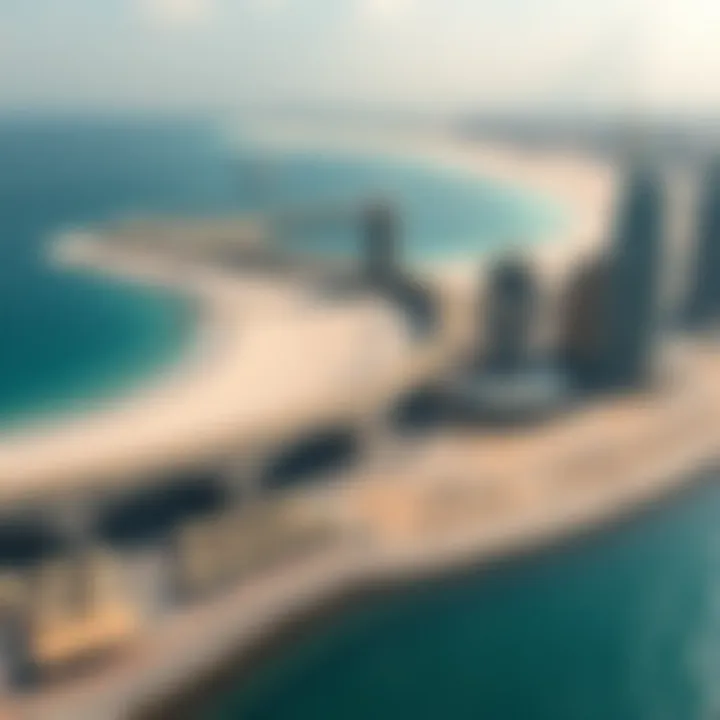
By intertwining aesthetic appeal with robust infrastructure and sustainability measures, Dubai sets a gold standard for urban beaches, creating a harmonious balance that reflects both the city’s ambition and its respect for nature.
Environmental Considerations
Understanding the environmental considerations surrounding Dubai's city beaches is vital. These beaches serve as significant urban spaces while also playing a crucial role in maintaining ecological balance. As urban areas expand, it becomes increasingly important to manage coastal environments to mitigate detrimental effects on marine ecosystems.
Conservation Efforts and Marine Life
In recent years, Dubai has spearheaded several initiatives aimed at conserving marine life around its coastline. Efforts have been directed toward protecting native species and restoring coral reefs that contribute to the health of marine biodiversity.
A few notable conservation projects include:
- Coral Cultivation Programs: These programs focus on breeding coral in nurseries and transplanting them back into the wild to rejuvenate degraded reefs. The Dubai Coral Garden serves as an example, where volunteers and researchers work together to enhance coral cover.
- Awareness Campaigns: Local organizations frequently run events to educate residents and tourists about responsible behavior at the beach. They encourage proper waste disposal and discourage harmful practices, such as collecting shellfish and disturbing wildlife habitats.
- Protected Areas: The establishment of marine protected areas ensures that vital habitats are safeguarded from urban encroachment. This allows for the rehabilitation of fish populations and other marine creatures that form the backbone of the ecosystem.
The success of these efforts relies heavily on community involvement, as awareness grows around the importance of maintaining a delicate balance between urban development and environmental stewardship.
Impact of Urbanization on Coastal Areas
As Dubai grows, there are undeniable pressures on its coastal ecosystems from urbanization. The construction of luxury resorts, malls, and other infrastructures close to the shore can disrupt natural processes and habitats.
Some critical impacts to consider include:
- Habitat Loss: The building of beachfront properties often leads to the destruction of natural habitats, such as mangroves and tidal zones, which are essential for many species. These ecosystems provide food and breeding grounds.
- Pollution: Increased water traffic and urban runoff can introduce pollutants into the marine environment. Heavy rains can wash chemicals, plastics, and other debris into the sea, threatening marine life.
- Erosion: Urban structures can alter wave patterns and sediment transport, leading to coastal erosion. This not only threatens the beaches themselves but also the infrastructure built nearby.
"Protecting our beaches requires a collective effort. Every individual can make a difference in preserving these vital ecosystems for future generations."
To learn more about marine conservation efforts in coastal regions, you can refer to institutions dedicated to environmental research, like the UAE Ministry of Climate Change and Environment and the comprehensive articles available on Britannica that cover marine biology and coastal ecology.
Combatting environmental challenges presents opportunities for innovation, and Dubai’s beaches can lead by example.
Regulatory Framework Governing the Beaches
The regulation of urban beaches in Dubai reflects a blend of necessity and innovation. This framework governs not only how these spaces interact with the environment but also how they serve the community. The importance of this topic can’t be overstated, as effective laws and management strategies ensure the sustainability of these beautiful coastal areas and help in maximizing their public and economic benefits.
Laws and Regulations in Place
Dubai's beaches operate under a set of strict laws and regulations designed to maintain safety, cleanliness, and order. For example, each public beach has designated swimming zones marked by buoys, minimizing the risk of accidents and promoting responsible swimming practices. Additionally, the UAE government has implemented a ban on certain activities, such as jet skiing in designated swimming areas, to protect swimmers and marine life.
Key regulations include:
- Swimming Safety Regulations: Ensure safety measures like lifeguard presence and first-aid stations.
- Environmental Protection Laws: Aim to protect the coastal ecosystem from pollution and overdevelopment.
- Public Access Policies: Guarantee that all citizens and visitors have the right to access public beaches without obstruction.
These laws reflect a broader commitment to responsible urban living, harmonizing development with environmental sustainability. They help ensure that the beaches remain accessible, safe, and clean, catering to the needs of both residents and tourists alike.
City Beach Management Strategies
Effective management strategies play a crucial role in maintaining the urban beaches of Dubai. The local government employs various approaches to deal with challenges, such as the unique climatic conditions and increasing visitor numbers. Management tactics have been developed to enhance the visitor experience while protecting coastal resources.
Some strategies include:
- Community Involvement: Local organizations often organize beach clean-ups, fostering civic pride and raising awareness about environmental issues.
- Regular Maintenance: Frequent cleaning schedules and waste disposal facilities help keep the beaches pristine, crucial for health and aesthetic reasons.
- Infrastructure Development: Adding amenities like showers, changing rooms, and shaded areas improve comfort and convenience for beachgoers.
Proper management of city beaches is not just about keeping the sand clean. It's about creating a sustainable environment where communities can thrive alongside nature.
Many of these strategies are influenced by global best practices in urban beach management. Aligning with innovations from other cities gives Dubai's beach management a competitive edge, ensuring that it remains a top destination for both leisure and business alike.


Whether one is interested in the economic prospects or the ecological safeguards, understanding the regulatory framework governing the beaches is essential for anyone looking to invest in or utilize these urban areas.
Comparative Analysis with Other Urban Beaches
Analyzing the city beaches in Dubai in relation to other urban beaches illuminates the unique tapestry of coastal living that these spaces offer. This examination is significant for a multitude of reasons, particularly for investors and those looking into urban development trends. Dubai's beaches might have a hint of luxury and opulence, yet they also face challenges and experiences common to urban coastal areas worldwide. By understanding both similarities and differences with other urban beaches around the globe, stakeholders can glean valuable insights into effective beach management, tourism, and urban planning strategies.
Similarities and Differences
When we look at Dubai and compare it with various other urban beaches like Miami Beach, Copacabana in Brazil, or Bondi Beach in Australia, a few key similarities stand out:
- Tourism Focus: Like Dubai, many urban beaches are significant tourist draws, housing numerous hotels, restaurants, and entertainment facilities that can cater to large crowds.
- Cultural Impact: Beaches serve as cultural hubs in both contexts, reflecting everyday life and relaxation for locals and tourists alike. In Dubai, for instance, Jumeirah Beach hosts both beachgoers and cultural festivals.
- Environmental Concerns: Similar to these other urban beaches, Dubai’s waterways are affected by urbanization and tourism. Issues like litter, pollution, and habitat destruction are universal challenges.
However, differences exist that define the character of Dubai’s beaches:
- Architecture and Design: Dubai’s beach areas are typically integrated with cutting-edge architecture. From resorts like Atlantis, The Palm to the minimalist concept of Kite Beach, the aesthetic is often more modern compared to the laid-back designs found in places like Santa Monica.
- Regulatory Framework: The governing bodies in Dubai impose stricter regulations on beach management and real estate development compared to many other major cities, aiming to preserve both the aesthetics and environmental integrity of these coastal areas.
- Community Access: In places such as Rio de Janeiro, beaches symbolize community spaces that foster social interactions. Dubai's beaches, while open, often cater to a more exclusive clientele, sometimes restricting access through paid facilities and memberships.
Lessons Learned from Global Practices
By observing the practices of other global urban beaches, Dubai can harvest a wealth of knowledge that may hold the key to enhancing its coastal strategies. Here are some lessons worth considering:
- Sustainability Measures: Cities like Amsterdam have successfully integrated sustainability into their beach planning. Environmental initiatives here could inspire Dubai to incorporate more eco-friendly practices such as beach recycling programs and initiatives for protecting marine life around the coastline.
- Community Engagement: Beaches in Sydney offer numerous community programs that include free events, workshops, and local markets that promote active community participation. Such practices could foster a stronger sense of community ownership and engagement in Dubai’s urban beaches.
- Balanced Development: Miami Beach is a prime example of balancing residential, commercial, and recreational spaces – a model that could be beneficial for Dubai. Finding equilibrium reduces congestion while enhancing the consumer experience.
"Successful urban beaches are about creating a balance between natural beauty and the built environment, ensuring these spaces remain enjoyable for both residents and visitors."
The Future of City Beaches in Dubai
The evolution of city beaches in Dubai offers a glimpse into what the future might hold for these urban coastal areas. As Dubai continues to advance technologically and culturally, the beaches are poised not only to enhance the overall aesthetics of the city but also to serve as vital hubs for environmental and social connectivity. This future-oriented approach revolves around integrating advanced features that enhance experiences, sustainability, and community engagement.
Emerging Trends and Innovations
In the realm of urban beaches, several trends are gaining traction that could redefine the landscape. One notable direction is the incorporation of smart technology. For instance, elements such as smart lighting, interactive kiosks, and mobile applications are becoming ubiquitous. These innovations aim to improve visitor experiences by offering real-time information about facilities, weather updates, and crowd management.
Moreover, there’s an increasing focus on recreational and wellness offerings such as yoga classes, guided nature tours, and water sports stations. These activities cater to a more health-conscious society, promoting fitness and leisure in conjunction with the usual sunbathing experience. Partnerships with local fitness brands could lead to unique events or programs that further engage the community.
Another emerging trend is the emphasis on art and culture along the beachline. Local artists may see their work showcased through public art installations, creating a vibrant atmosphere that resonates with both residents and tourists. It’s about fostering a sense of identity and shared culture, making the beaches not just a place for relaxation but also a canvas for expression.
Vision for Sustainable Beach Areas
The vision for sustainable beach areas in Dubai encompasses an array of strategies aimed at preserving the natural environment while facilitating urban development. One crucial aspect is enhancing coastal protections against rising sea levels and climate change. Implementing eco-friendly materials in infrastructure, such as permeable paving that allows for natural drainage, is becoming essential. By working with engineers and environmentalists, the city can mitigate the adverse effects of urbanization on its coastlines.
In addition, community initiatives focused on conservation are popping up. Local organizations might run educational programs about marine life, turning the beach into an outdoor classroom for students. Such programs can engender a sense of stewardship in residents, encouraging them to actively participate in the maintenance and safeguarding of their shoreline.
Investing in sustainable practices is not just vital for protecting our environment; it’s also a smart business strategy. As eco-consciousness grows among consumers, beachfront establishments that prioritize sustainability often see increased patronage.
Lastly, creating green spaces adjacent to beaches, filled with native flora, helps improve local biodiversity while offering shaded areas for visitors to enjoy. This blend of built and natural environments fosters a more appealing coastal experience and ultimately positions Dubai's beaches as leaders in sustainable urban design.
The End
As we draw the curtain on this exploration of Dubai’s city beaches, it’s crucial to distill the insights gathered throughout this piece into key takeaways. The beaches of Dubai are not just picturesque landscapes; they serve as vibrant epicenters of urban life. In analyzing their impact on the city, the discussion reveals several prominent elements worth highlighting.
Summarizing Key Findings
- Cultural Hub: The beaches foster social interaction and community building. Public beaches act as gathering places for residents and tourists alike, facilitating a melting pot of cultures that enriches the social fabric of Dubai. Events like the Dubai Beach Festival or other community celebrations not only promote local talent but also attract international visitors.
- Economic Drivers: The economic analysis underscores the substantial revenue generated by the beaches. Tourism surrounding these areas significantly boosts local businesses, from cafes and restaurants to rental services and retailers. With investments pouring in, these beaches also create new job opportunities and enhance property values in adjoining neighborhoods.
- Sustainability Challenge: Environmental considerations surfaced prominently, emphasizing the need for sustainable practices in beach management. With urbanization pressing on coastal areas, the delicate balance between development and conservation remains a vital concern. Efforts such as beach clean-ups or programs to protect marine life show the city’s commitment to maintaining ecological integrity.
- Regulatory Framework: Effective governance is crucial in managing these urban spaces. The framework governing Dubai’s beaches illustrates a comprehensive approach, ensuring not only safety and cleanliness but also inclusivity and accessibility for all residents and visitors.
Final Thoughts on Urban Coastal Development
In contemplating the future of Dubai’s city beaches, it's clear their role is poised for both challenges and opportunities. As cities worldwide grapple with urbanization and environmental pressures, Dubai can set a precedent in harnessing coastal areas for community and economic benefit while prioritizing sustainability.
The vision for urban coastal development does not merely include expansion, but also thoughtful management of available resources and an emphasis on leisure that complements the fast-paced lifestyle of the city.
"The true essence of a city’s coastal identity lies not just in its shores, but in the experiences they offer and the communities they cultivate."