Discovering the Architectural Mastery of Burj Khalifa's Fontaines


Intro
The Burj Khalifa, an architectural masterpiece standing tall in the skyline of Dubai, is more than just a record-breaking structure; it is also home to a stunning array of fontaines that dance in unison, captivating visitors from around the world. These fontaines, designed with intricate artistry and innovative technology, play a crucial role in defining the external ambiance and reflecting the opulence one often associates with Dubai. This article serves as a comprehensive guide to understanding their architectural significance and how they enhance the allure of this iconic skyscraper.
As one gazes at the Burj Khalifa, the sight of the fontaines draws attention, transforming the area into a vibrant oasis. It’s a mix of sight and sound, merging the beauty of flowing water with the energy of a bustling urban space. Each jet of water, choreographed elegantly against the backdrop of the city, tells a story of engineering prowess and artistic flair.
In this exploration, we will delve into the interplay of design elements and cutting-edge technology that make these fontaines not only a spectacle but also a feat of engineering. We will discuss their placement in the larger narrative of Dubai's real estate and tourism sectors, offering insights into how they symbolize the luxury and sophistication that this city represents.
Let's plunge into the fascinating world of the Burj Khalifa's fontaines, starting with an analysis of the market trends influencing the property dynamics in the Dubai area.
Preamble to Burj Khalifa
The Burj Khalifa stands not just as the tallest building in the world, but also as a pivotal point of interest in discussions about modern architecture, engineering excellence, and global tourism. This iconic structure, rising dramatically against the Dubai skyline, serves as a symbol of innovation and ambition within the Emirate. Its significance goes beyond its physical height; it represents a blend of culture, technology, and environmental considerations. By exploring the Burj Khalifa, we delve into a story of human ingenuity that reshapes urban experiences, and within this narrative, the fontaines associated with the tower play a critical role.
A Brief History
When the development of Burj Khalifa commenced in 2004, few could envision the mouth-to-water spectacle it would become. Designed by the esteemed architecture firm Skidmore, Owings & Merrill, the project aimed to enhance Dubai’s global image, highlighting its capacity for cutting-edge advancements in architecture. The building's construction was a feat of engineering, involving several skilled professionals and a plethora of advanced technologies. The fontaines, located at the base and integrated into the surrounding spaces, emerged as part of this ambitious vision, prompting a fascination that continues to draw millions.
Architectural Design
The design of the Burj Khalifa is a symphony of aesthetics and functionality. Towering at 828 meters, it features a sleek, tapered shape reminiscent of a desert flower. The exterior is clad in a reflective glass and metal, which not only enhances its visual appeal but also optimizes energy efficiency.
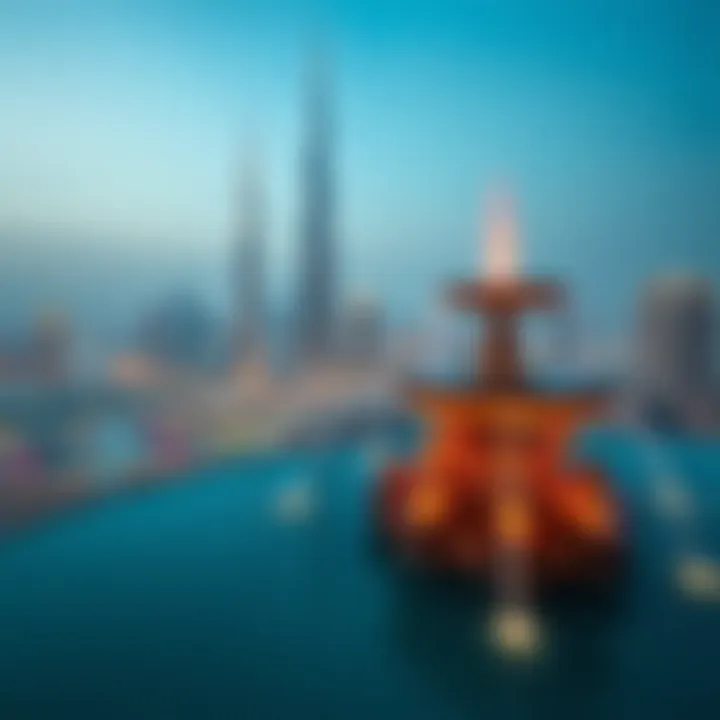
The fontaines at the base of Burj Khalifa complement this architectural mastery. Strategically positioned to interact with the building’s stunning façade and meticulously sculpted landscape, they create a seamless visual transition between water and sky. These features engage visitors through dynamic water displays, choreographed to music and light, drawing them into an immersive experience. Thus, the interplay of water and structure becomes an integral part of the architectural narrative, emphasizing the Burj Khalifa's role as a central attraction in the heart of Dubai.
Through understanding the Burj Khalifa's history and architectural design, we set the stage for a deeper exploration into its unique fontaines. As we proceed, we’ll examine their contributions to modern architecture, the engineering marvels behind them, and how they elevate the overall visitor experience in one of the world's most remarkable cities.
The Role of Fontaines in Modern Architecture
In the landscape of modern architecture, the integration of water features like fontaines holds a unique significance. They are not simply ornamental additions; they play a crucial role in shaping the experience of spaces, blurring the lines between nature and human construction. Fontaines serve to engage and captivate visitors while enhancing the architectural integrity of structures such as the Burj Khalifa.
As cities become more urbanized, the necessity for incorporating natural elements increases. Water features provide a vital connection to the environment, often acting as a visual and auditory sanctuary in the bustling lives of city dwellers. The Burj Khalifa's fontaines exemplify this idea, revealing how thoughtfully designed water installations can transform the surrounding area into a cohesive space.
Integration with Surrounding Spaces
The placement of fontaines around the Burj Khalifa illustrates the concept of integration beautifully. They interact seamlessly with nearby landscapes, enhancing the overall ambiance without overpowering other elements. These fontaines do not merely occupy space; rather, they breathe life into the surroundings, elevating public areas into vibrant hubs of activity.
Fontaines can create zones of social interaction, inviting passersby to stop, observe, and engage with each other. Their installation plans often consider the movement patterns and behaviors of people to foster a natural flow. For instance, benches placed nearby encourage relaxation, transforming an ordinary visit into an immersive experience where visitors can sit back, unwind, and enjoy the dance of water paired with architecture.
- Dynamic Water Features: The Burj Khalifa's fontaines are not just static; they respond to their environment, changing with the time of day and season. This adaptability reinforces their role within the urban setting.
- Soundscapes: The gentle rush of water provides a contrasting sound to the urban clamor, introducing a meditative element that enhances the quality of surroundings.
The synthesis of the fontaines with their environment reflects a growing trend in modern architecture — the emphasis on creating spaces that promote harmony between built structures and nature.
Enhancing Aesthetics
Aesthetic appeal is a central tenet in architectural design, and fontaines contribute magnificently to this aspect. Their artistic designs and choreographed displays, particularly at the Burj Khalifa, attract photographers and tourists alike, further establishing the building as an iconic symbol of Dubai.

- Visual Impact: The sight of the Burj Khalifa's fontaines, particularly during evening light shows, paints a captivating picture. The marriage of water, light, and the building's architectural aesthetic creates a visual spectacle that goes beyond conventional beauty.
- Symbolism: Water has been a powerful symbol in various cultures, often representing purity and prosperity. By integrating water features, architects and city planners use these sentiments to enrich the narrative of the spaces they create.
Moreover, the careful orchestration of water movements can create an emotional connection for viewers, evoking feelings of joy and wonder. This connection can leave a lasting impression on visitors, influencing their perception of not just the fontaines, but also the broader architectural narrative of the area.
“Fontaines elevate urban architecture from mere function to an experience, creating a tapestry woven with water, light, and space.”
In summary, the role of fontaines in modern architecture cannot be overstated. Their integration with surrounding spaces and contribution to aesthetic beauty serve to enhance the storytelling behind structures like the Burj Khalifa, solidifying their importance in contemporary architectural discourse.
Engineering Marvels Behind the Fontaines
The fontaines of Burj Khalifa are not merely aesthetic enhancements; they are intricate systems blending artistry and engineering. The design and execution of these fontaines symbolize the cutting-edge innovations characteristic of Dubai's ever-evolving skyline. Their importance cannot be understated, especially when considering how they impact visitors’ experiences, the architectural ensemble of the area, and even the real estate market. This blend of science and art makes a compelling case for understanding the engineering marvels behind the fontaines.
Technical Specifications
The technical intricacies of the Burj Khalifa fontaines are fascinating. Spanning an impressive area with various water features, the fontaines cover a total of 30 acres. What makes them unique are the high-performance jets, carefully designed to create astonishing patterns and synchronized performances. Each vody of water can shoot up to 150 meters high, which is about as high as a 50-story building.
Additionally, the programming of these displays is sophisticated. Each show is choreographed to music and enhanced with a clever use of colored lighting. The system operates on a state-of-the-art control mechanism allowing flexibility in creating diverse performances, whether for special occasions or routine displays. This guarantee of consistency and reliability is a feather in the cap for both engineers and performers alike.
Water Management Systems
Water management is at the heart of the fontaine systems and represents a vital component that ensures sustainability in usage. The Burj Khalifa fontaines utilize a closed-loop water recirculation system that minimizes waste. This efficient design draws from a reservoir, which is recycled back into the system, drastically reducing unnecessary water loss.
This method not only conserves resources but also showcases Dubai's commitment to sustainability amidst its luxurious backdrop. The maintenance of water quality is another crucial aspect managed through advanced filtration techniques which ensure that the water remains clean and clear, enhancing its visual appeal during shows.
Pump Technologies
Key to the impressive performance of the fontaines is the advanced pump technology employed in their operation. High-efficiency pumps drive the water through the jets, allowing for rapid response and dynamic movement. The use of variable frequency drives enables these pumps to adjust their output based on the demands of the program being executed, efficiently managing energy consumption.
Furthermore, these pumps are designed to operate quietly, an essential feature which avoids detracting from the overall experience. The technology involved here not only highlights the commitment to innovation but also admits to a thoughtful consideration of the audience's experience. A well-orchestrated fountain performance offers a feast for the senses, and the pumps play a pivotal role in that.
"The remarkable engineering behind the fontaines not only enhances Dubai's image but also showcases the incredible possibilities when technology meets creativity."
Incorporating all these elements, the engineering feats behind the Burj Khalifa fontaines make them a marvel worth studying. Aspects like technical specifications, water management systems, and cutting-edge pump technologies contribute to an experience that is nothing short of mesmerizing.
Artistic Dimensions of the Fontaines
The Burj Khalifa’s fontaines aren't just a feast for the eyes; their artistic dimensions transform the entire atmosphere of the surrounding area. They stand as a prominent feature of the architectural marvel, weaving together aesthetic splendor and functional design. The significance of the artistic elements in these fontaines can't be understated; they contribute not only to the visual identity of the Burj Khalifa but also to the emotional impact felt by visitors. By engaging multiple senses—sight, sound, and even touch—the fontaines offer a holistic experience that adds depth to the architectural narrative of this iconic skyscraper.
Choreography of Water Displays
The choreography of water displays at the Burj Khalifa’s fontaines is an exceptional example of artistic precision. Each fountain performance is not merely a random spout of water; it is a carefully orchestrated dance, designed to tell a story. The combination of the water’s height, movement speed, and rhythm creates a mesmerizing spectacle. The displays sync with musical compositions, often including classical pieces as well as contemporary music.
This synchronization is vital, because it enhances the viewer's experience, drawing in tourists and locals alike. The well-planned choreography invites onlookers to not just observe but to feel a connection with the display. It is orchestrated in such a way that even the casual passerby cannot help but be captivated by the elegant simplicity of water rising and falling in perfect harmony. The following aspects highlight the importance of this choreography:
- Rhythmic Flow: Just like a dancer on a stage, the water moves in bursts, rising high before cascading back down, creating an elegant flow that evokes emotion.
- Visual Synchronization: Each performance uses a meticulous timing that is both surprising and captivating, ensuring no two shows are ever the same.
- Engagement Factor: It keeps both visitors and locals returning time and again, making it an integral part of Dubai’s entertainment scene.
Lighting and Effects
Lighting plays an equally crucial role in the overall impact of the Khalifa fontaines. After the sun sets, the night comes alive with vibrant hues reflecting off the water. The interplay of lights and water adds layers to the artistic experience, transforming the scene into a dynamic canvas. Various techniques are employed to achieve extraordinary effects, enhancing the choreography of the water displays. For instance:
- Colored Spotlighting: Different colors projected onto the water not only highlight its movement but also create an ethereal quality that can change the mood of the entire performance.
- LED Accents: These provide a magical touch, illuminating the water streams in various shades, causing them to shimmer and shimmer, significantly boosting their allure.
- Smoke and Fog Effects: Sometimes used in conjunction with the water displays, these effects create an atmospheric ambience, overlaying a mysterious aura over the show.
"The synergy of water and light is an elemental celebration of life, where creativity meets nature's inherent beauty."
The Impact of Fontaines on Tourism in Dubai
The fontaines at the Burj Khalifa do more than just splash water; they are a pivotal part of what makes Dubai a must-visit destination. Their grandeur and spectacle pull in both tourists and locals alike, creating a vibrant atmosphere around the world’s tallest structure. It’s no stretch to say these water features elevate the experience of the city itself. The synchronization of music, light, and water is not just entertainment; it’s a performance that encapsulates the soul of Dubai, making it integral to the tourism sector.
Attracting Visitors
Not merely a decorative addition, the fontaines have become one of Dubai's premier attractions. Drawing millions annually, their choreographed displays are scheduled regularly, allowing visitors ample opportunities to catch a glimpse of their majesty. The combination of height, size, and intricate design sets them apart from standard water features found in parks or plazas around the globe.
- Location: Positioned at the base of Burj Khalifa, the fontaines act as a magnet for patrons visiting the Dubai Mall or nearby restaurants.
- Cultural Fusion: Each water show draws inspiration from diverse global cultures, presenting a unique story each time the water jets dance to music. This heightened sense of cultural inclusivity appeals to a broad audience.
The responsiveness of the fontaines to surrounding events—like holidays, national celebrations, or special occasions—amplifies their draw, making them universally relevant regardless of the season.
Cultural Significance
The fontaines signify more than aesthetic pleasure; they embody the modern cultural identity of Dubai. The staggering visual element of water plays an essential role in the city’s narrative of luxury and innovation.
The displays are often crafted to resonate with cultural events:
- National Day Celebrations: Water shows feature national anthems and traditional melodies, enhancing the sense of nationalism while simultaneously captivating tourists.
- Artistic Collaboration: Local and international artists often come together to create unique visuals for special performances, enriching the cultural tapestry of the event.
These fontaines create a communal experience, where both residents and visitors partake in the artistic celebration, fostering a deeper connection to the city and its heritage.
"Water is the life source. It's where beauty meets engineering at the heart of Dubai's identity."
Moreover, the influx of tourists attracted by the fontaines contributes to economic vitality. Increased footfall boosts local businesses, increases spending on dining and shopping, and cultivates an environment where cultural and artistic showcases can thrive. Ultimately, these fontaines are not only significant for their aesthetic values but also hold a critical role in shaping Dubai's tourism landscape and cultural identity.
Real Estate Implications
Understanding the real estate implications surrounding the fontaines of Burj Khalifa provides insight into their multifaceted influence on Dubai's property market and economic landscape. The iconic fontaines not only serve as an aesthetic centerpiece for the complex but also drive significant investment trends and buyer interest. With their elegant water displays, they contribute to the allure of living or operating a business in close proximity to such an architectural marvel.
One key point is the proximity to iconic structures. The Burj Khalifa, alongside the Dubai Mall and various luxurious hotels, creates a cluster of must-visit attractions that enhance property values in the area. For potential investors, being near the fontaines means residing in a sought-after locale, attracting both local and international buyers.
- High-end living: Properties in this vicinity often come with a premium price tag due to the exclusivity and status associated with being near the tallest building in the world and its spectacular fontaines.
- Commercial Opportunities: Retail spaces located near the fontaines experience higher foot traffic, which translates into increased sales opportunities for business owners.
"The unparalleled experience provided by the Burj Khalifa's fontaines transforms a neighborhood into a vibrant hub, making it a prime target for real estate investments."
Proximity to Iconic Structures
The proximity to iconic structures offers a clear advantage for real estate in the Burj Khalifa precinct. Being part of an area that brims with notable landmarks enhances its appeal considerably. Buyers often lean towards properties that not only promise luxury but also provide a lifestyle enriched with vibrant entertainment and leisure options.
- Better accessibility: The intersection of cultural attractions, shopping venues, and dining experiences creates a magnet for both tourists and locals alike. This heightened accessibility inherently boosts property desirability.
- Investment attractiveness: Investors keen to capitalize on Dubai’s property boom find that properties nearby iconic landmarks retain value, even through fluctuating market conditions.
In essence, the fontaines add charm and exclusivity—an essential marketing tool for any real estate venture in the vicinity.
Market Trends Influenced by Attractions
As the fontaines play a significant role in Dubai’s identity, the market trends influenced by these attractions are noteworthy. Properties directly impacted by such attractions see tangible benefits, both in immediate interest and long-term investment security.
Here are several observations:
- Appreciation in Value: Properties in close vicinity to the fontaines tend to appreciate faster than those situated farther away due to increased demand for such locations.
- Diverse Investor Interest: From luxury condominiums to commercial spaces, the draw of proximity to grand attractions encourages a diverse array of purchasers—from seasoned investors to first-time buyers.
- Sustainability in Sales: Properties near the fontaines, thanks to their scenic views and vibrant surroundings, consistently show robust sales and rental activity, appealing to a range of demographics.
In summary, the fontaines of Burj Khalifa not only enhance the aesthetic landscape of Dubai but also serve as vital conduits for real estate dynamics, influencing everything from buyer preferences to property value trends. As they continue to flourish, understanding the underlying market implications becomes critical for any stakeholder in this lively environment.
Future Trends in Water Features
The evolution of water features in modern architecture is more than just a trend; it’s a reflection of society’s growing acknowledgment of environmental concerns and technological advances. The fontaines at Burj Khalifa serve as a quintessential example of how aesthetic appeal can intertwine with innovative design. This section delves into emerging trends in water features, highlighting their significance in enhancing spaces while adhering to sustainability principles.
Innovation in Design
Contemporary water features are intricately designed to captivate the senses while embracing artistic expression. The latest creations are moving beyond classical concepts; instead, they are influenced by a myriad of styles, emphasizing uniqueness and local identity.
Key aspects of innovative water feature design include:
- Interactive Elements: Many new installations incorporate features that allow visitors to engage with the water in playful ways. Think of sprays that activate when someone steps close or lighting that changes with the rhythm of flowing water.
- Use of Technology: Smart technologies now play a role in how these features are implemented. Programmable water displays that shift and change in real-time can tell a story or even adjust to environmental conditions.
- Cultural Integration: Designers are striving to include elements that resonate with local traditions and heritage, often incorporating motifs or narratives that engage the viewer on a deeper, more personal level.
These innovative designs not only beautify but also articulate a deeper narrative about the place they inhabit.
Sustainability Considerations
As urbanization continues to grow, sustainability in design has shifted from a buzzword to an imperative. The creation of water features must consider their ecological impact, particularly in climates that face water scarcity.
Important sustainability aspects are:
- Water Recirculation: Modern features are designed to recirculate water efficiently. This not only minimizes waste but also reduces the energy needed to pump and manage the water supply.
- Native Plant Integration: Incorporating local flora around water features helps maintain the ecosystem. These plants are generally more resilient to local climate conditions, requiring less water and support.
- Energy Efficiency: New pump technology is being developed to consume less energy, thus lowering electricity costs and minimizing the carbon footprint.
These sustainability trends ensure that water features like the fontaines of the Burj Khalifa are not just visually appealing but also conscientious in their environmental footprint.
Water features today must blend art and functionality, making them not just decorative but vital to ecological balance and community engagement.
The End
In wrapping up this exploration of the fontaines at Burj Khalifa, we uncover a rich tapestry of architectural significance and engineering genius. The fontaines are not just an aesthetic addition; they serve vital roles in enhancing the overall experience for visitors and residents alike in Dubai. Their intricate designs blend their functionality with artistic flair, turning ordinary water movements into breathtaking displays that leave audiences mesmerized.
Summary of Findings
Throughout this article, we have examined several pivotal elements that define the Burj Khalifa's fontaines. Firstly, their engineering marvel is unmistakable. Constructed with precision, these fontaines utilize advanced pump technologies and innovative water management systems, facilitating choreographed displays that move in harmony with music and lighting. This synergy not only adds to the visual spectacle but also embodies Dubai's commitment to luxury and elegance.
Moreover, these water features significantly enhance the aesthetics of the surrounding landscape. Designed to complement the architectural grandeur of the Burj Khalifa itself, they create an inviting atmosphere for tourists and locals, encouraging communal gatherings and enhancing the social fabric of the area.
- The combination of dynamic water choreography and ambient lighting elevates the viewer's experience.
- The fontaines significantly impact tourism, drawing countless visitors eager to behold this marvel.
- Their presence influences residential and commercial real estate markets due to their desirability, demonstrating their value beyond mere beauty.
Significance for Future Developments
Looking ahead, it is essential to acknowledge the potential landscape changes driven by these fontaines. As urban developments become more ambitious, and sustainability gains traction, future water features may adopt greener technologies. The integration of smart technology will likely enhance the efficiency and environmental compatibility of these installations.
Furthermore, developers and architects might use the Burj Khalifa’s fontaines as a case study, exploring how water features can elevate urban design while prompting community engagement. With increasing focus on livability amid urban densification, the insights drawn from the Burj Khalifa's implementatioN of cutting-edge water features may guide the design of future projects worldwide.